

Market Analysis: Infrastructure Development Trends
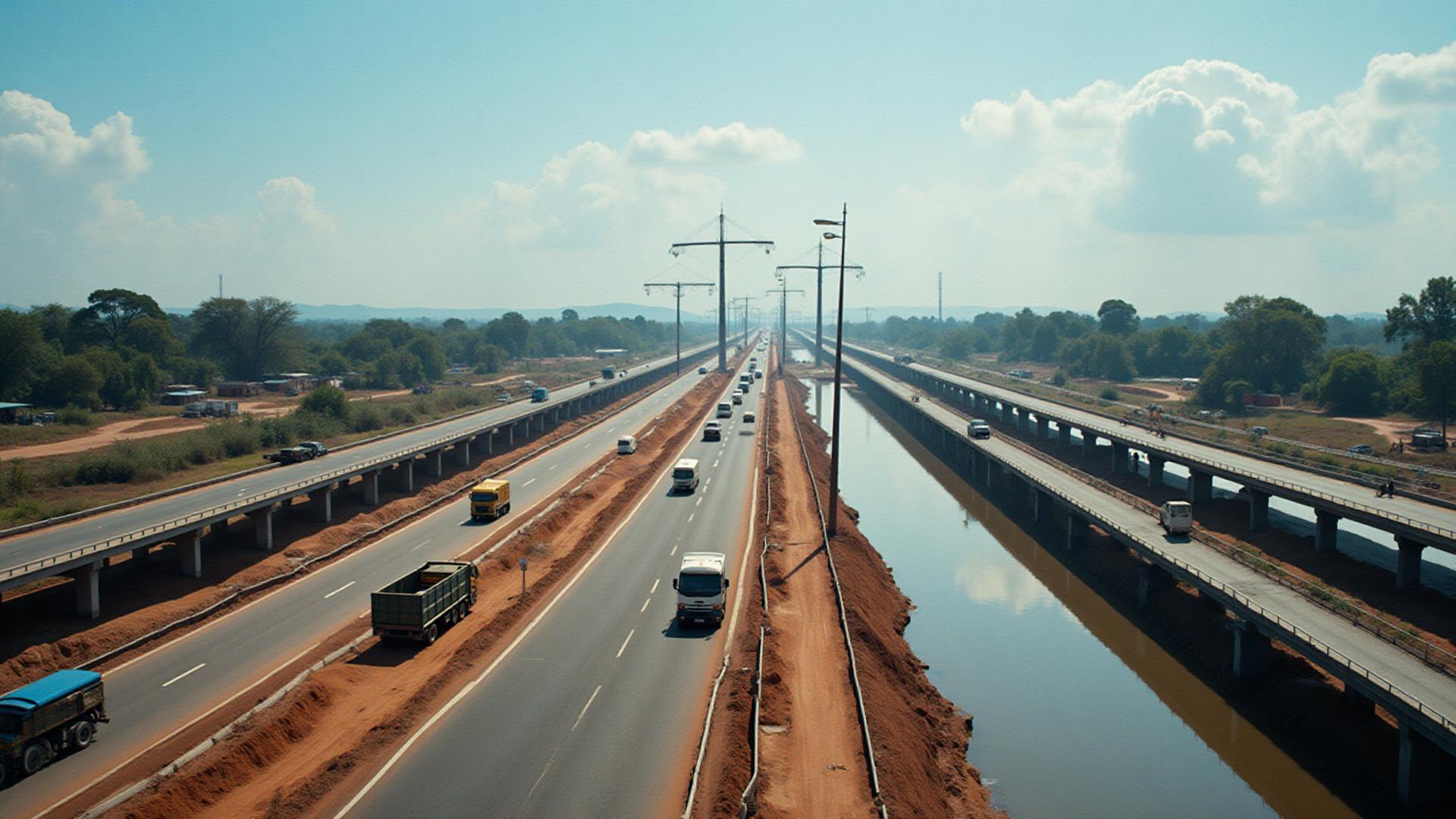
Infrastructure development is reshaping the investment landscape across the Democratic Republic of Congo. This comprehensive market analysis examines current trends, major projects, and investment opportunities emerging from the country's ambitious infrastructure expansion program.
Current Infrastructure State
Congo's infrastructure has historically lagged behind its economic potential, creating both challenges and opportunities. Recent assessments show significant gaps in transportation, energy, telecommunications, and water systems. However, these gaps represent trillion-dollar investment opportunities as the government prioritizes infrastructure modernization in its national development strategy.
Transportation Network Expansion
Major transportation projects are underway, including the rehabilitation of 5,000 kilometers of roads, railway modernization connecting mining regions to ports, and airport upgrades in major cities. The Grand Inga Dam hydroelectric project promises to transform regional energy access. These projects create opportunities for construction companies, equipment suppliers, and logistics providers.
Energy Sector Development
Congo holds Africa's largest hydropower potential with over 100,000 megawatts of capacity. Current development focuses on the Inga Dam expansion, solar power installations in rural areas, and grid modernization. Energy sector investments exceed $10 billion in committed funding, with opportunities ranging from large-scale power generation to distributed renewable energy solutions.
Digital Infrastructure
Telecommunications infrastructure is experiencing rapid growth with fiber optic network expansion, 4G/5G deployment, and data center development. Mobile money and digital payment systems are driving financial inclusion. Digital infrastructure investments enable broader economic transformation and create opportunities in technology services, software development, and digital platforms.
Urban Development Projects
Major cities are undergoing transformation with planned residential developments, commercial real estate projects, and smart city initiatives. Kinshasa's urban master plan includes new satellite cities, modern transportation systems, and improved utilities. These urban projects create sustained demand for construction materials, real estate services, and urban technologies.
Investment Opportunities and Returns
Infrastructure investments typically require longer time horizons but offer stable returns through concession agreements, public-private partnerships, and development rights. Typical investment structures include BOT (Build-Operate-Transfer), equity participation in project companies, and supplier financing arrangements. Expected returns range from 12-25% depending on project risk profiles and investment structures.
Infrastructure development trends in Congo present compelling investment opportunities across multiple sectors. The convergence of government commitment, international funding, and private sector participation creates a favorable environment for infrastructure investors. Success requires patient capital, strong partnerships, and understanding of the unique dynamics of emerging market infrastructure development.